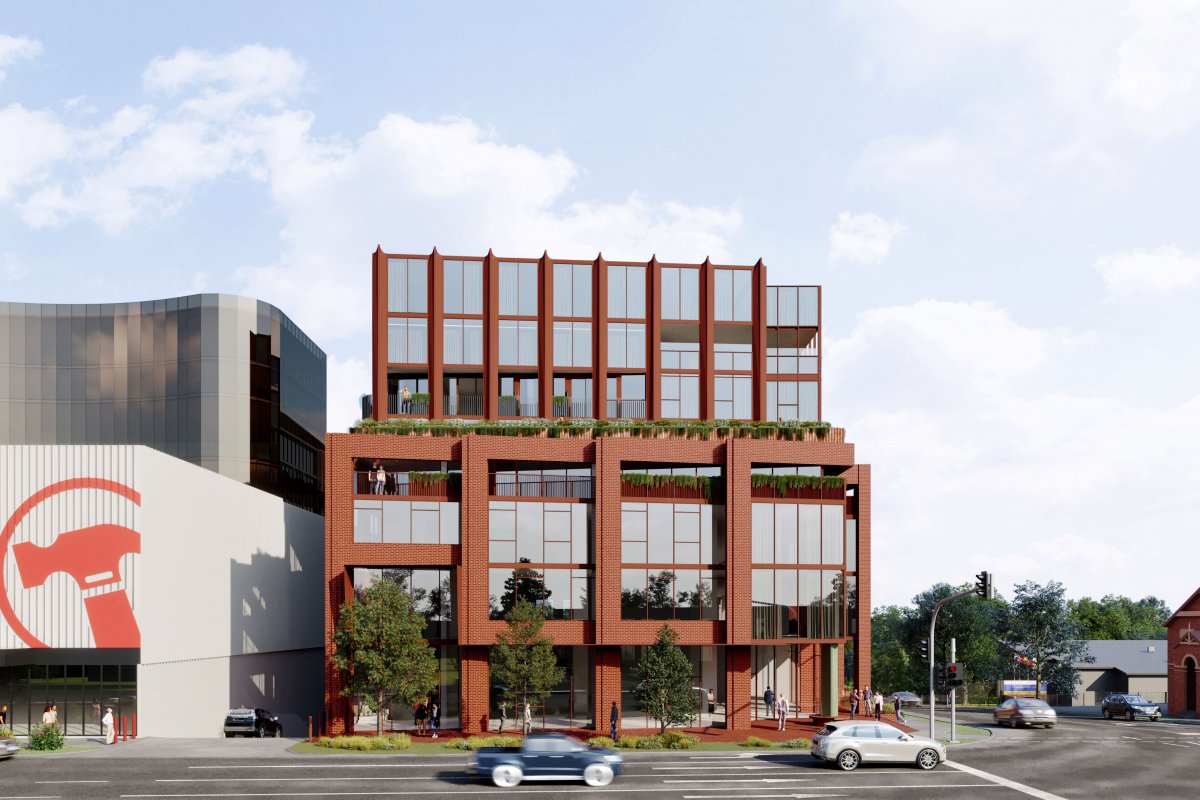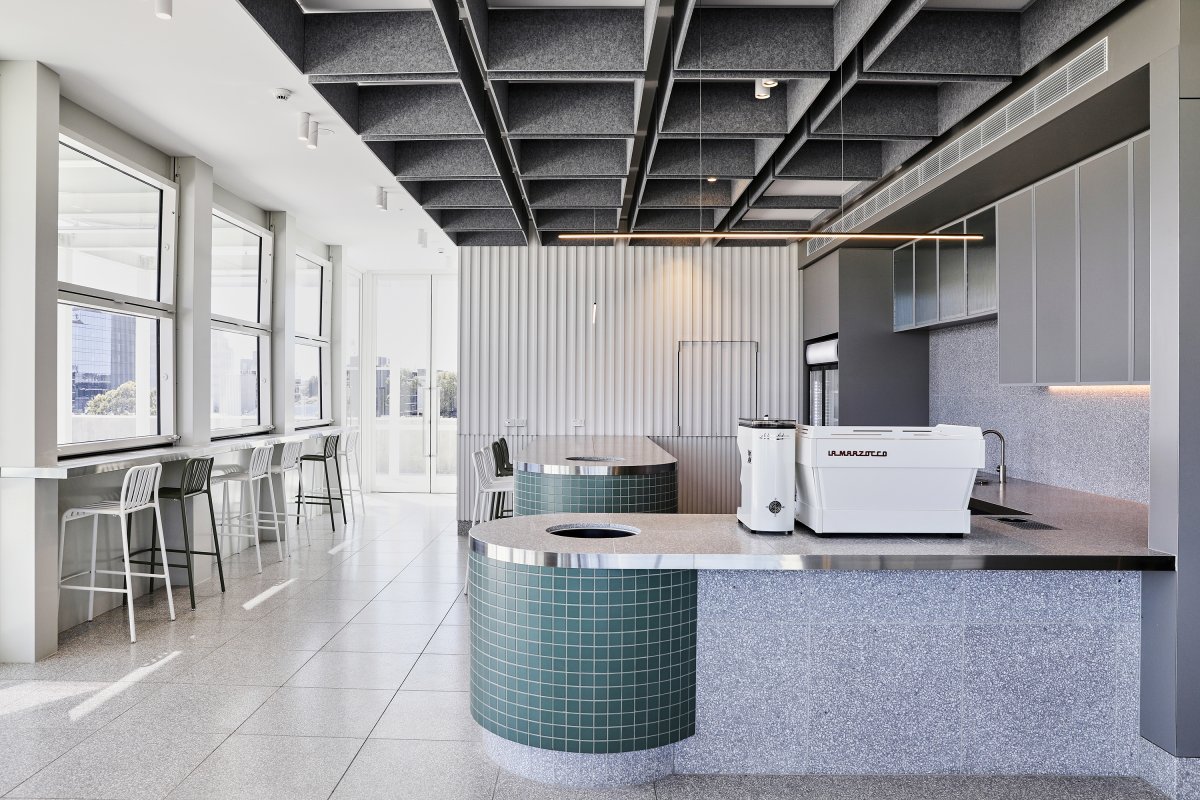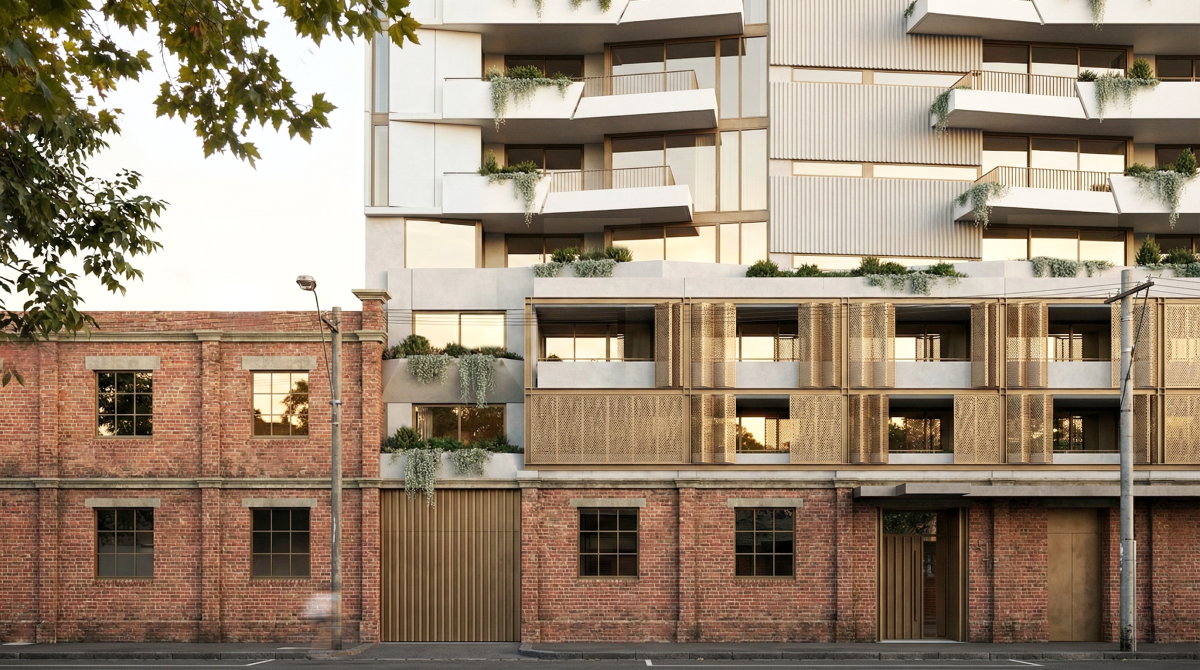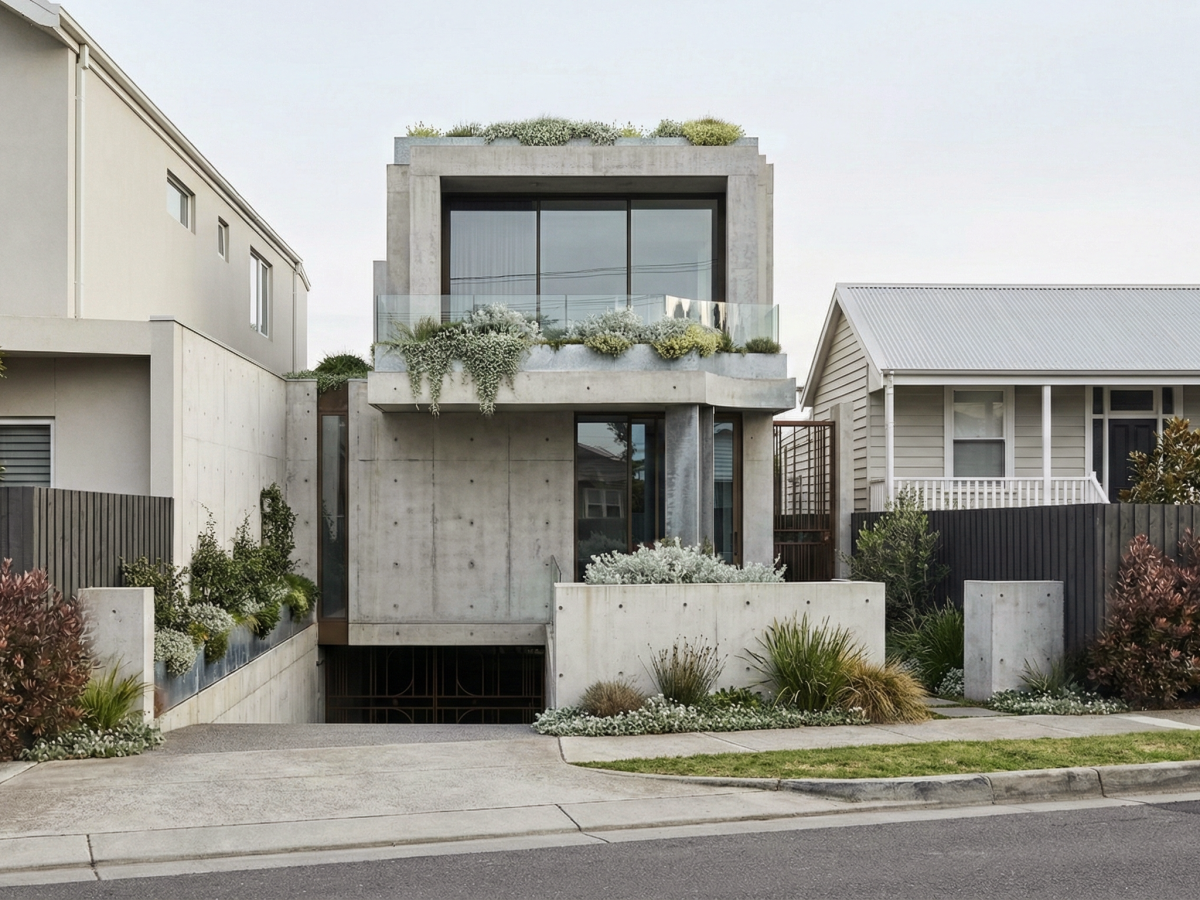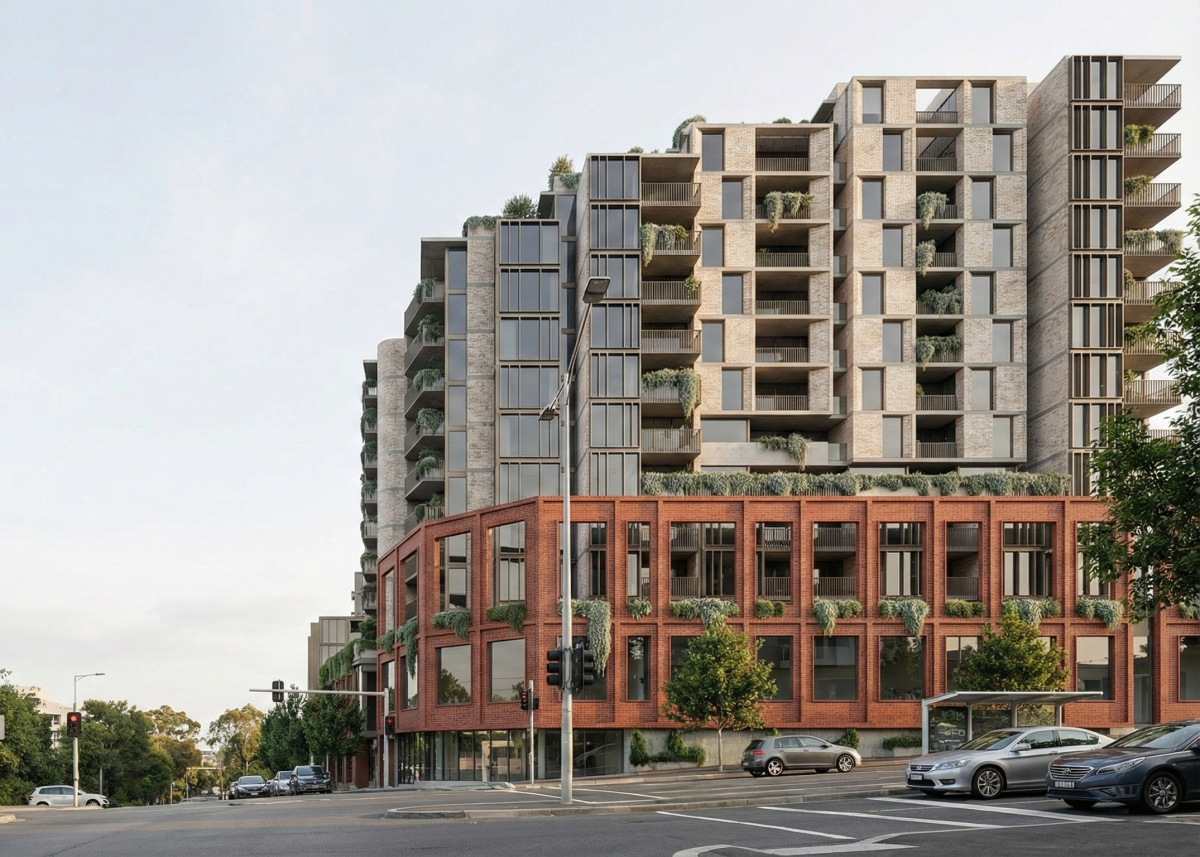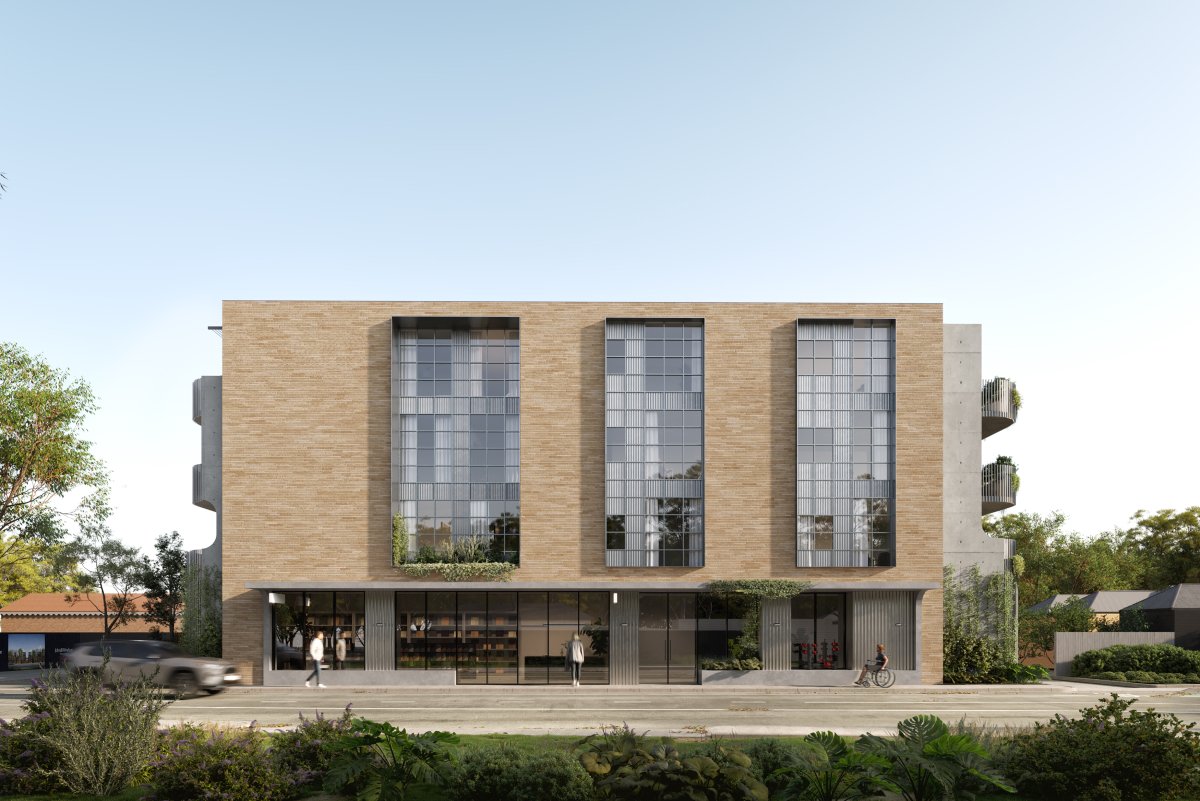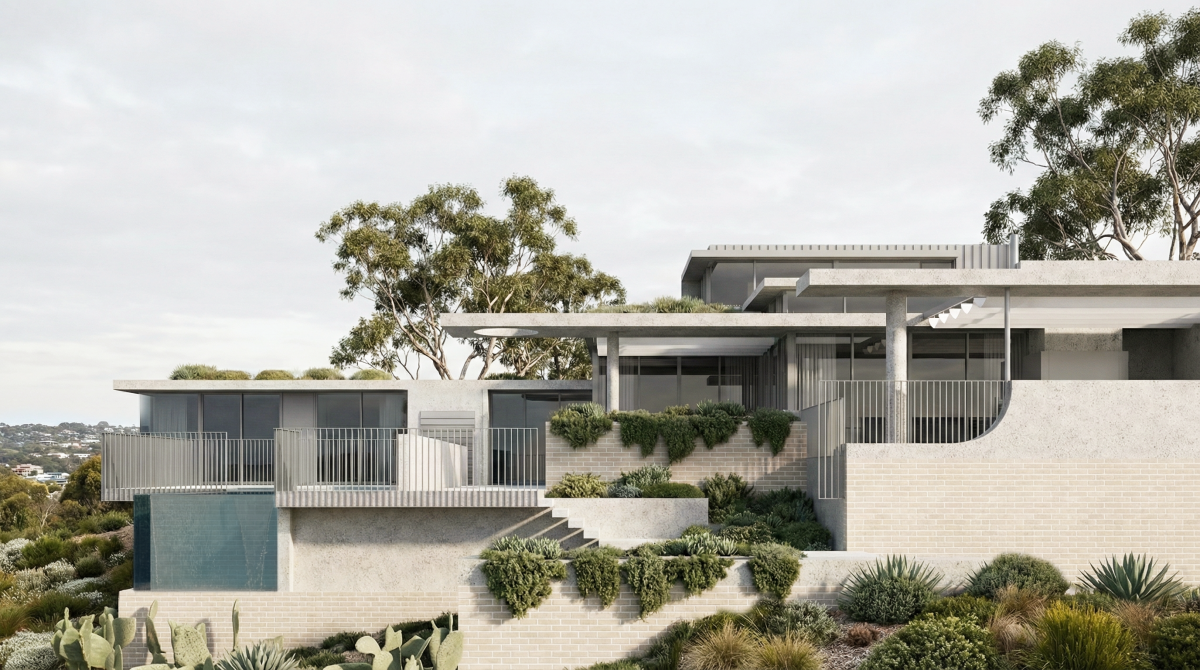
Expertise in Subject Matter and Regulatory Codes
SGKS ARCH can apply the knowledge we have accumulated over the years designing SDA buildings to provide independent analysis, assessment and investigation to assist in a variety of legal, financial or administrative use cases. With SDA being a relatively new housing typology as well as asset class there are many instances in which further explanation from a subject matter expert can provide valuable insights and support applicable in a variety of connected fields.
The Case
The National Construction Code (NCC), previously the BCA. Has been around for over thirty years now and as such has become a critical reference point for the entire construction sector as well as many connected fields that need to relate to the built environment in Australia. Specialist Disability Accommodation (SDA) however is a much more recent addition to the sector and has also introduced with it its own design standard and as such another layer of compliance beyond the NCC.
One of our client-partners approached us with an unusual problem that had emerged from this irregular space between the established code and new housing type. Existing systems relied on referencing the NCC for the classification of particular asset types which didn’t map directly onto their new SDA buildings and so they commissioned SGKS ARCH to produce a report that could examine the interaction of the code and design standard in order to tease out and explain the key differences, and many similarities, that exists between them.
This case study specifically examined how HPS requirements interact with NCC provisions for Class 3 buildings and how they compared to the requirements for Class 9c buildings. The thorough analysis of these codes was able to bring to the surface the assumptions around models of care that had informed their requirements, the more traditional institutional model underpinning Class 9c and the contemporary, individualised approach promoted by the NDIS.
The Approach
SGKS ARCH conducted a detailed alignment report comparing:
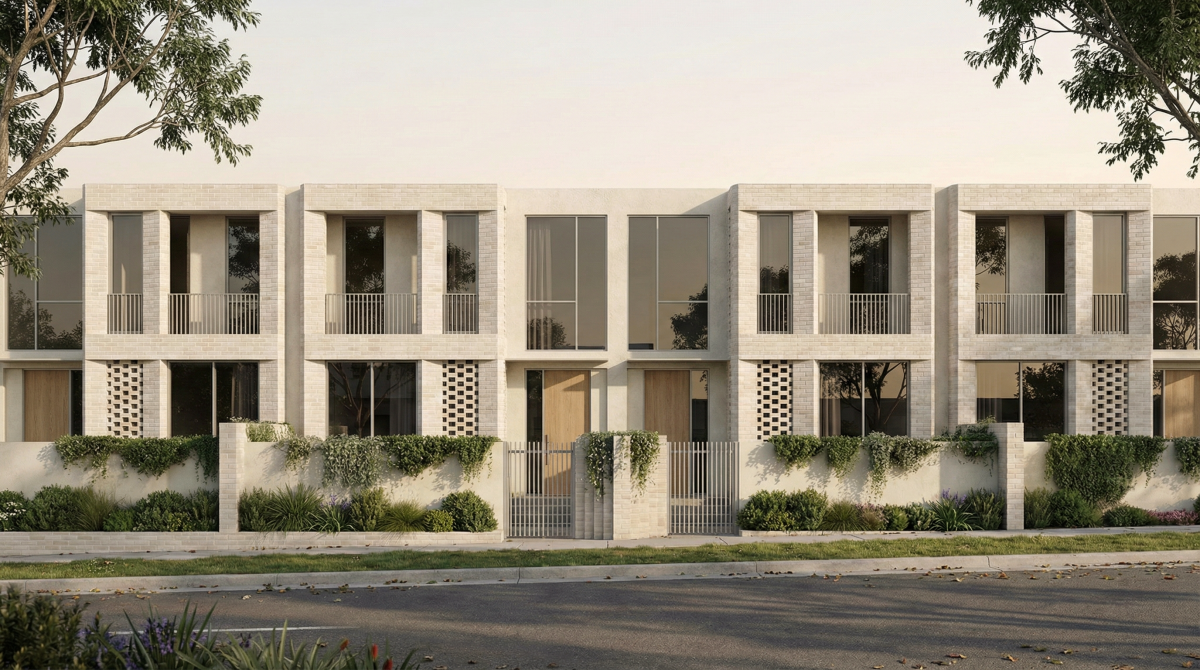
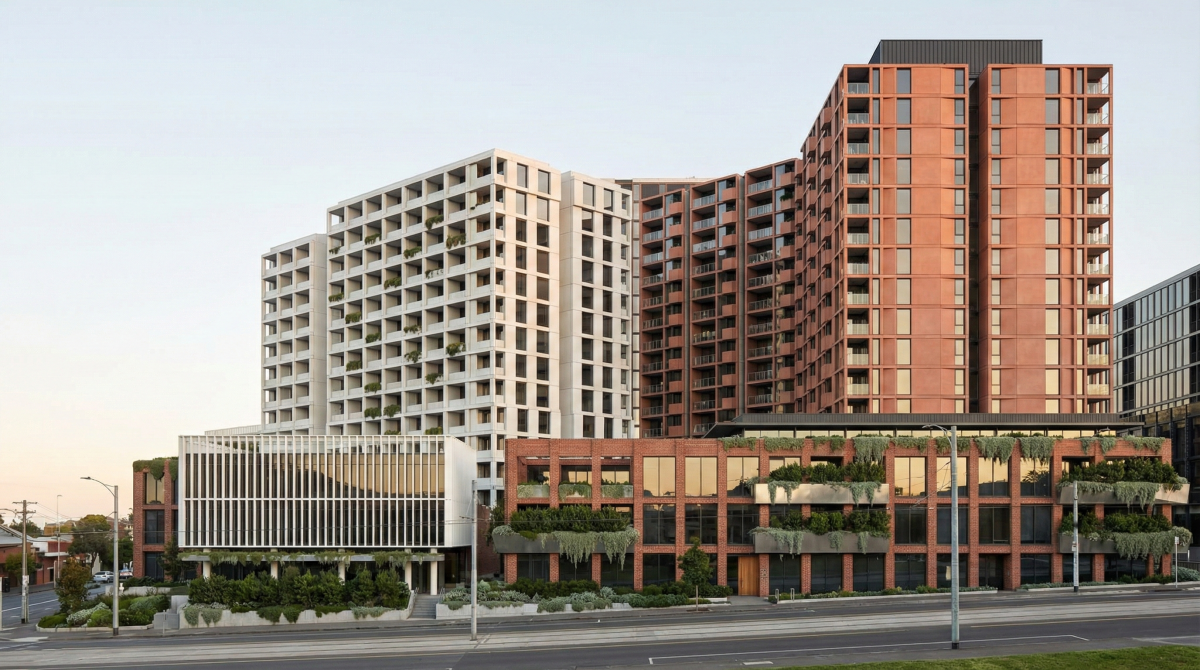
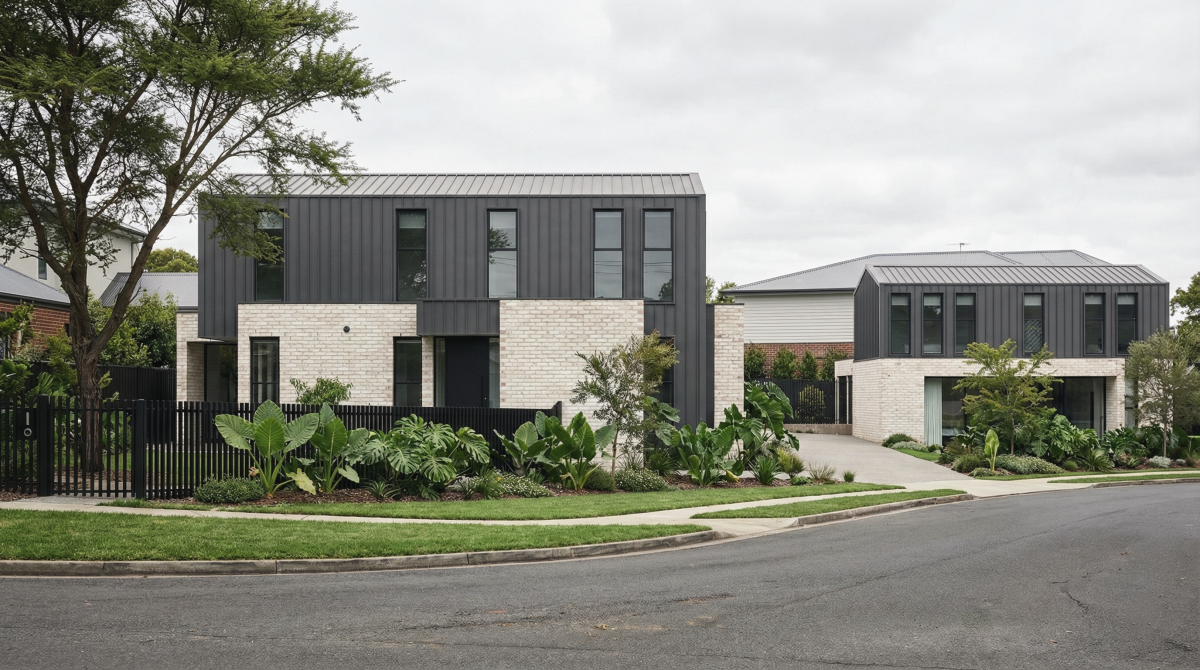
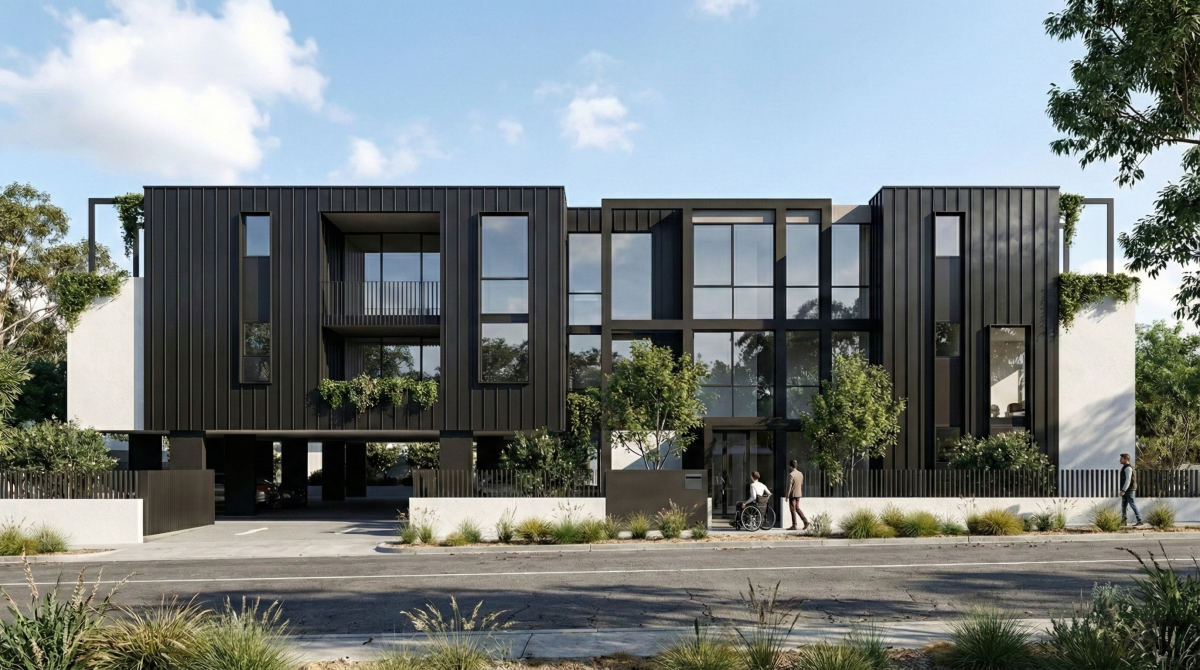
The report highlighted key differences and overlaps between the requirements as they are written but also in reference to actual built projects with two case study projects.
The assessment covered Sections B–J of the NCC, revealing that in most areas, a Class 3 building certified to the HPS design category of the SDA Design Standard aligns with NCC requirements of a Class 9c building.
Key Insights
Traditionally, individuals transition from standard homes (Class 2a or Class 3) into residential care facilities (Class 9c) when their care needs surpass what family or informal carers can provide. These facilities offer dedicated services and staff in a larger-scale setting.
In contrast, SDA dwellings are designed for people with permanent disabilities who require:
The analysis shows that while both Class 9c and SDA dwellings serve a fundamental care function, the difference lies in how care is delivered, institutional versus individualised, not in the presence of care itself. This raises important insights into how the codes are written and the use cases and assumptions that inform them which will have ongoing relevance to the development and modernisation of the codes in the space of disability care in the built environment.
Commitment to Accessibility
This case study reflects SGKS ARCH’s engagement with the sector a broader level not just in designing the spaces themselves but also the regulatory environment that informs the design. The aim is with diving into these adjacent areas we can provide valuable insights that can ultimately contribute to enhancing the independence, dignity, and quality of life for people with disability.