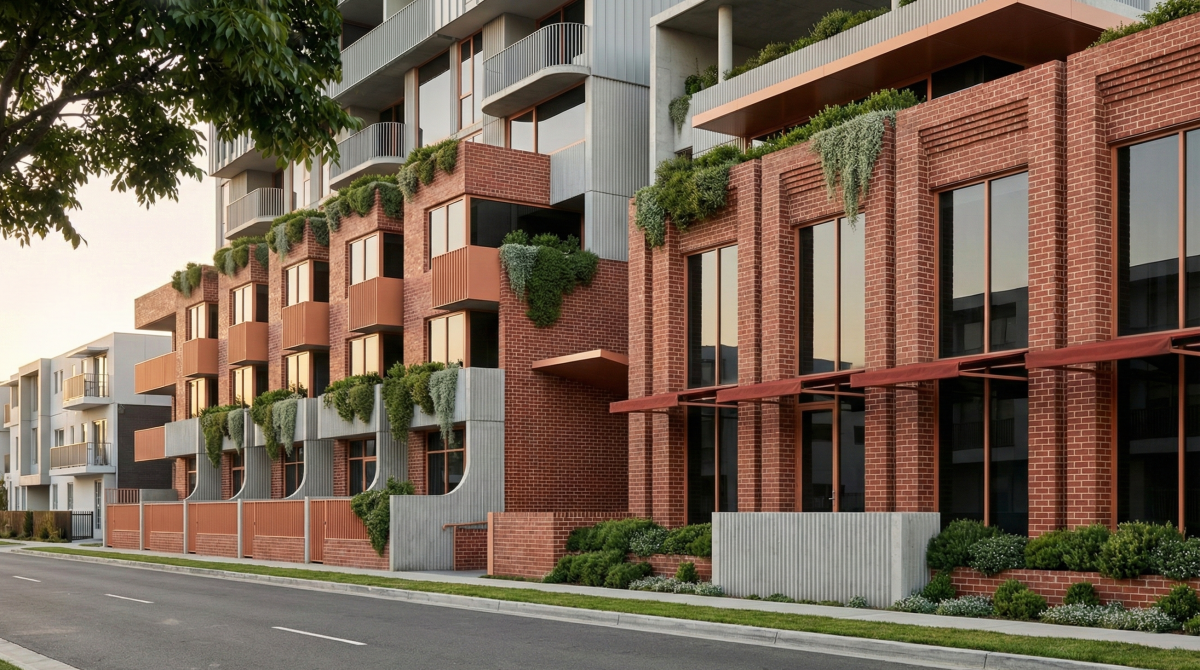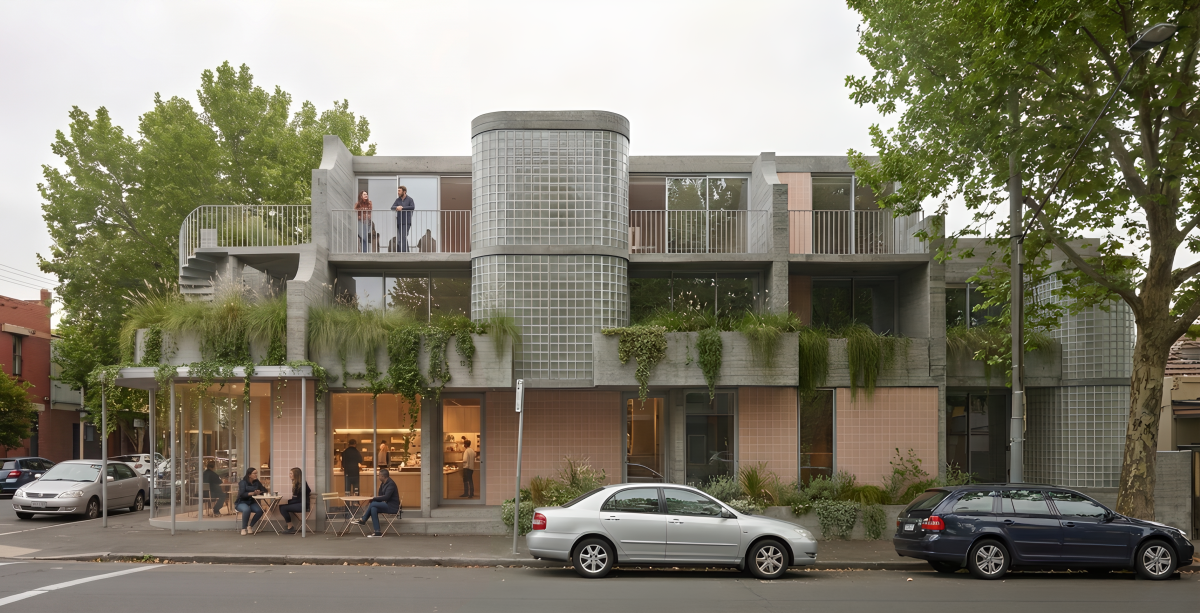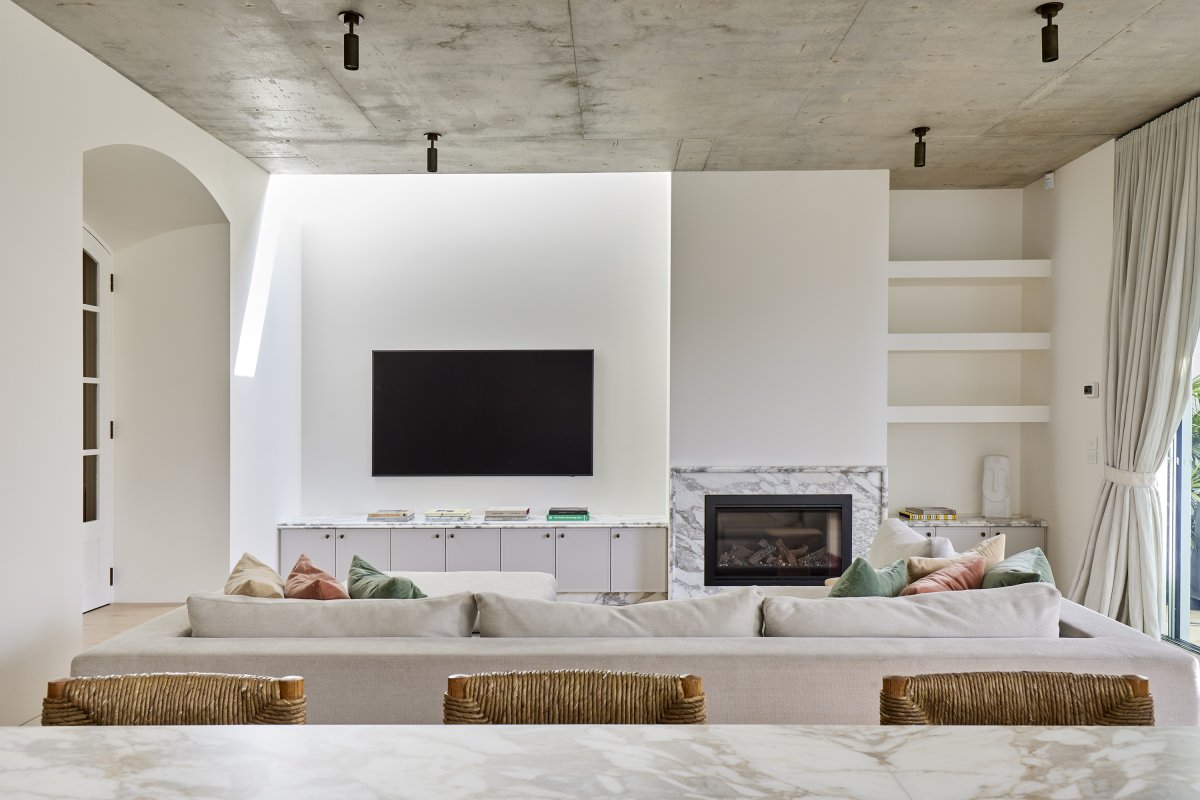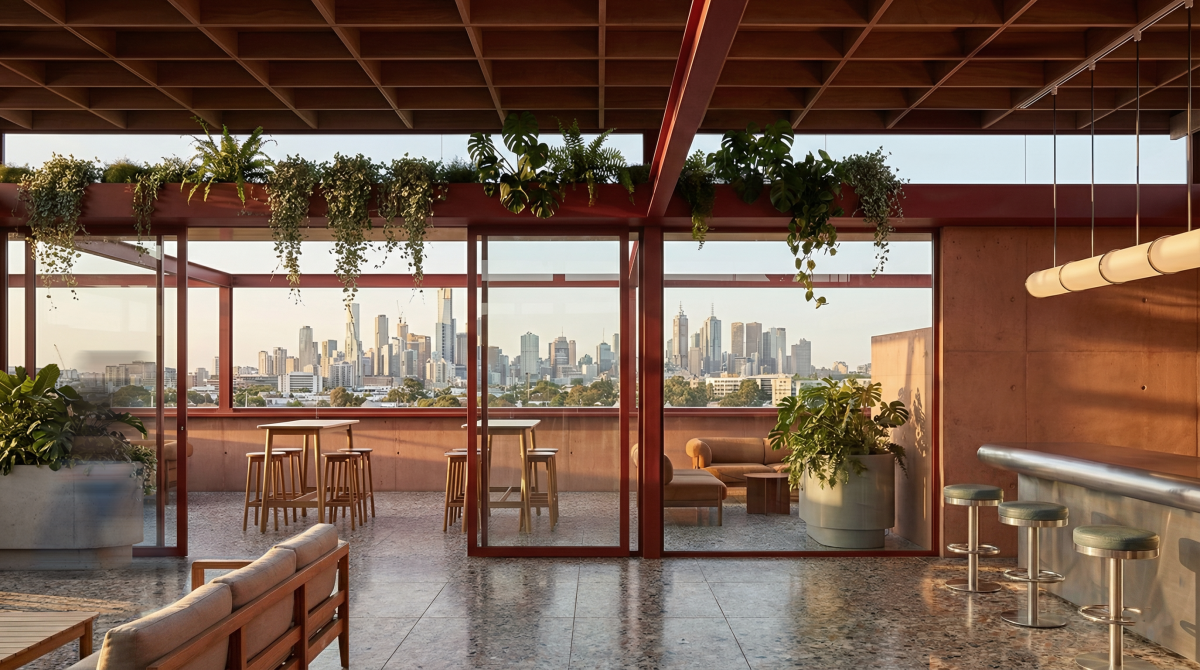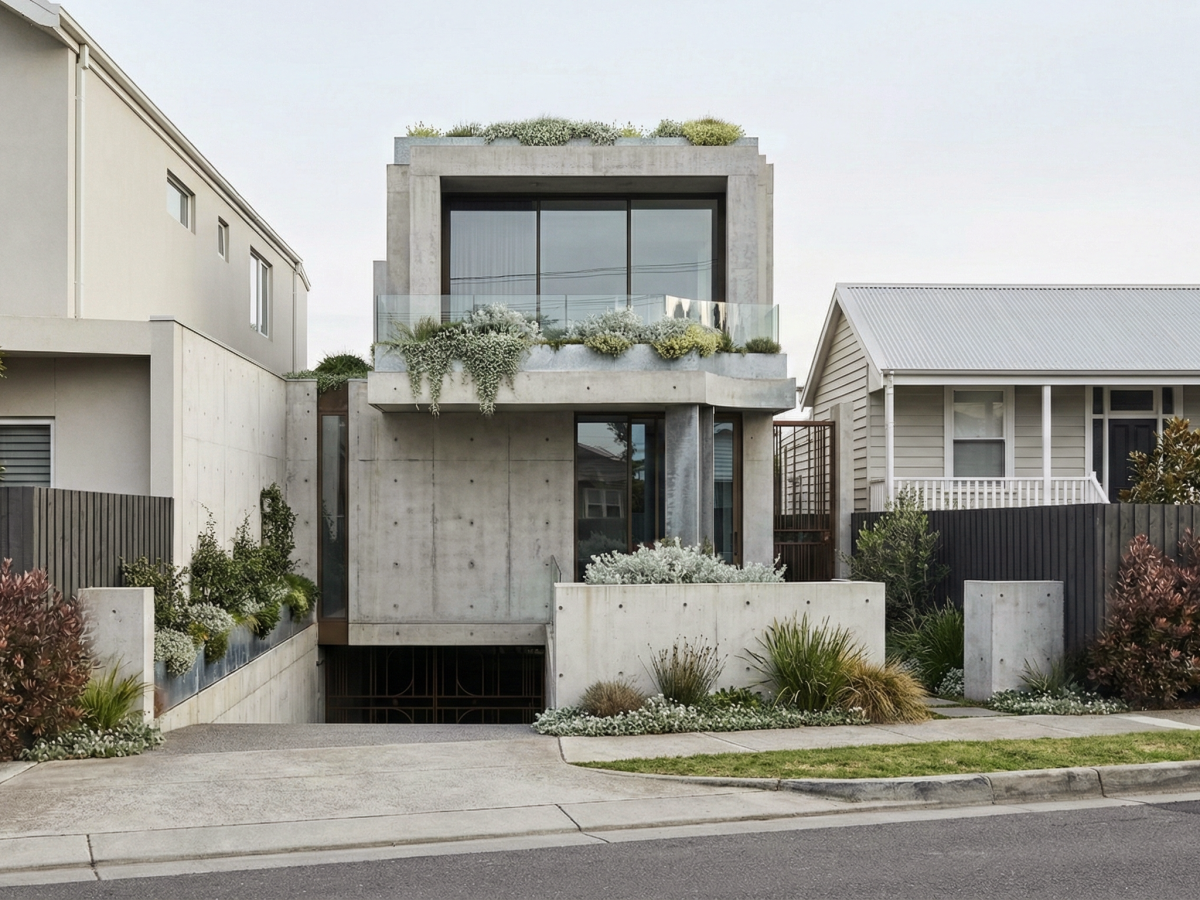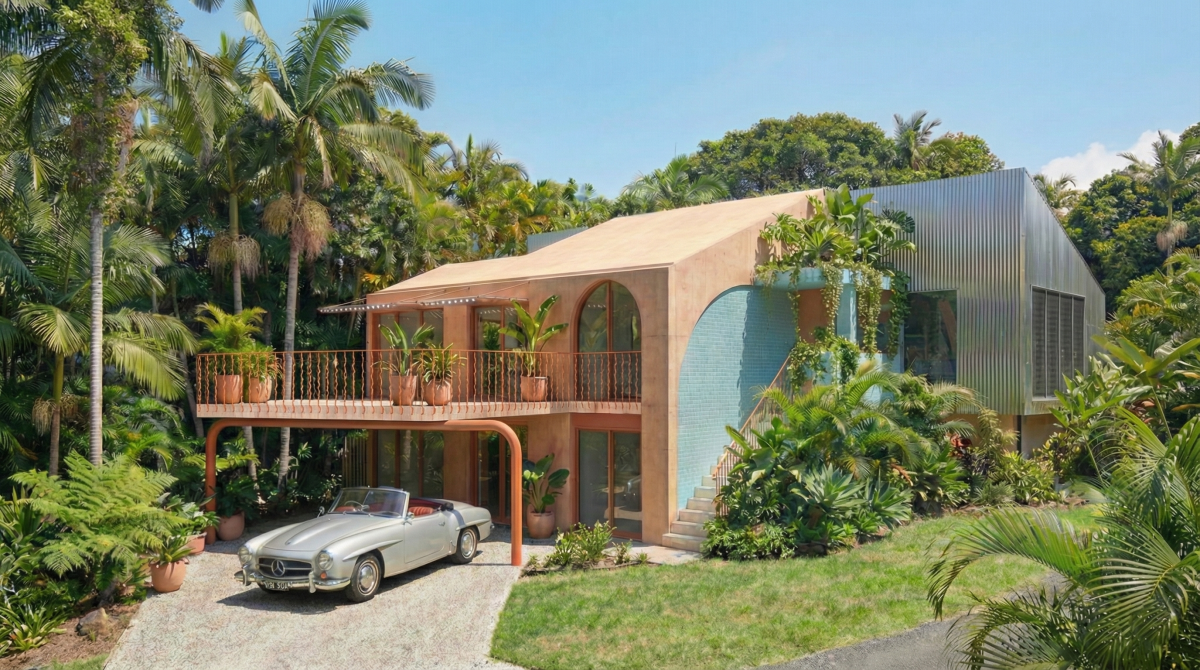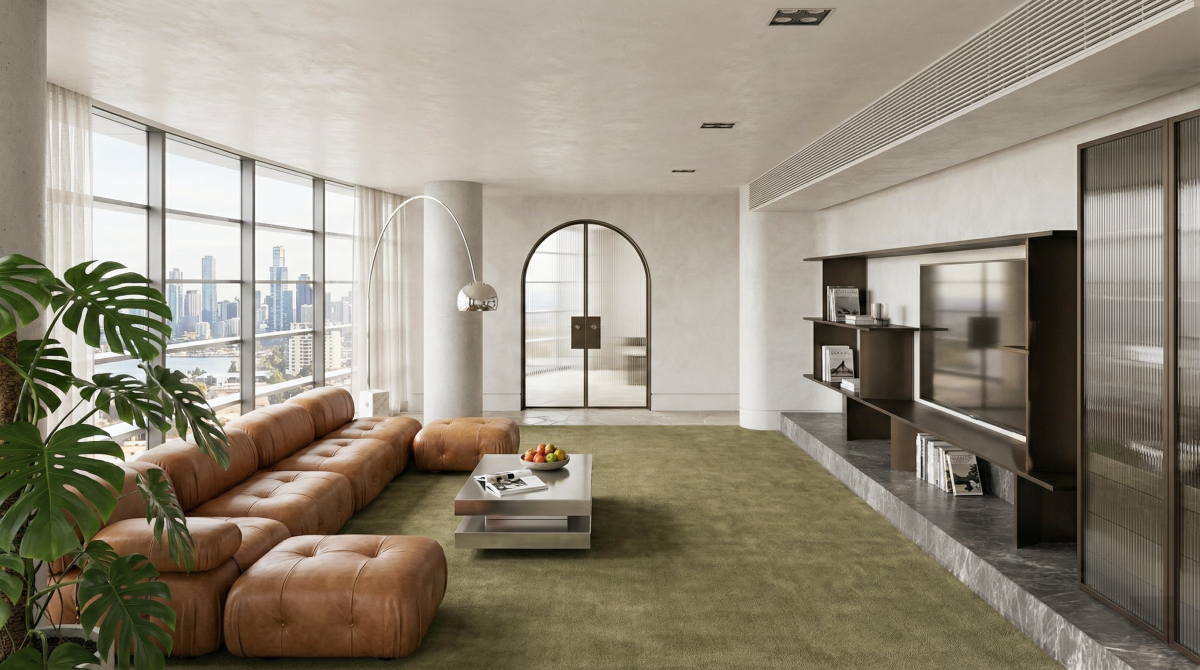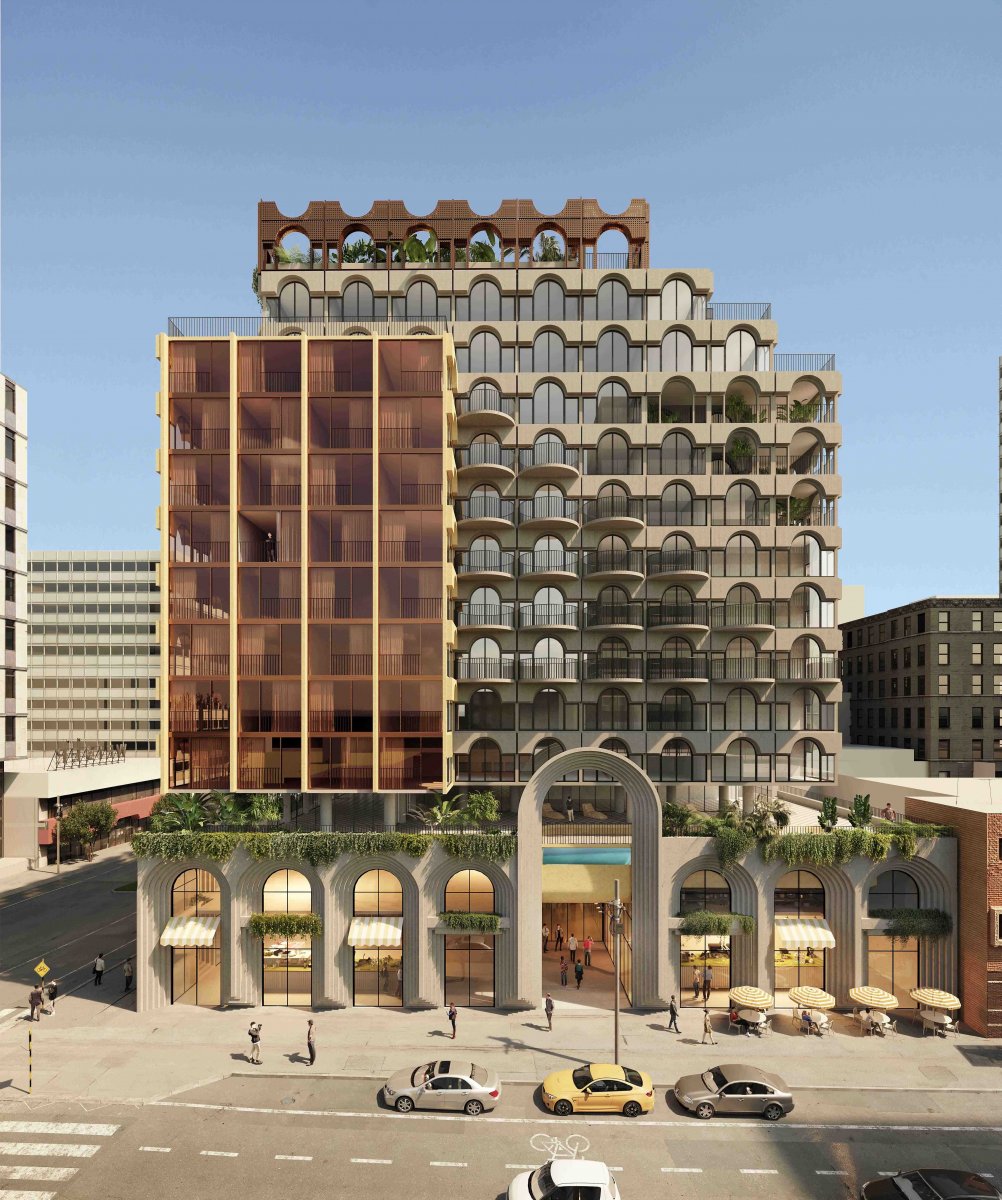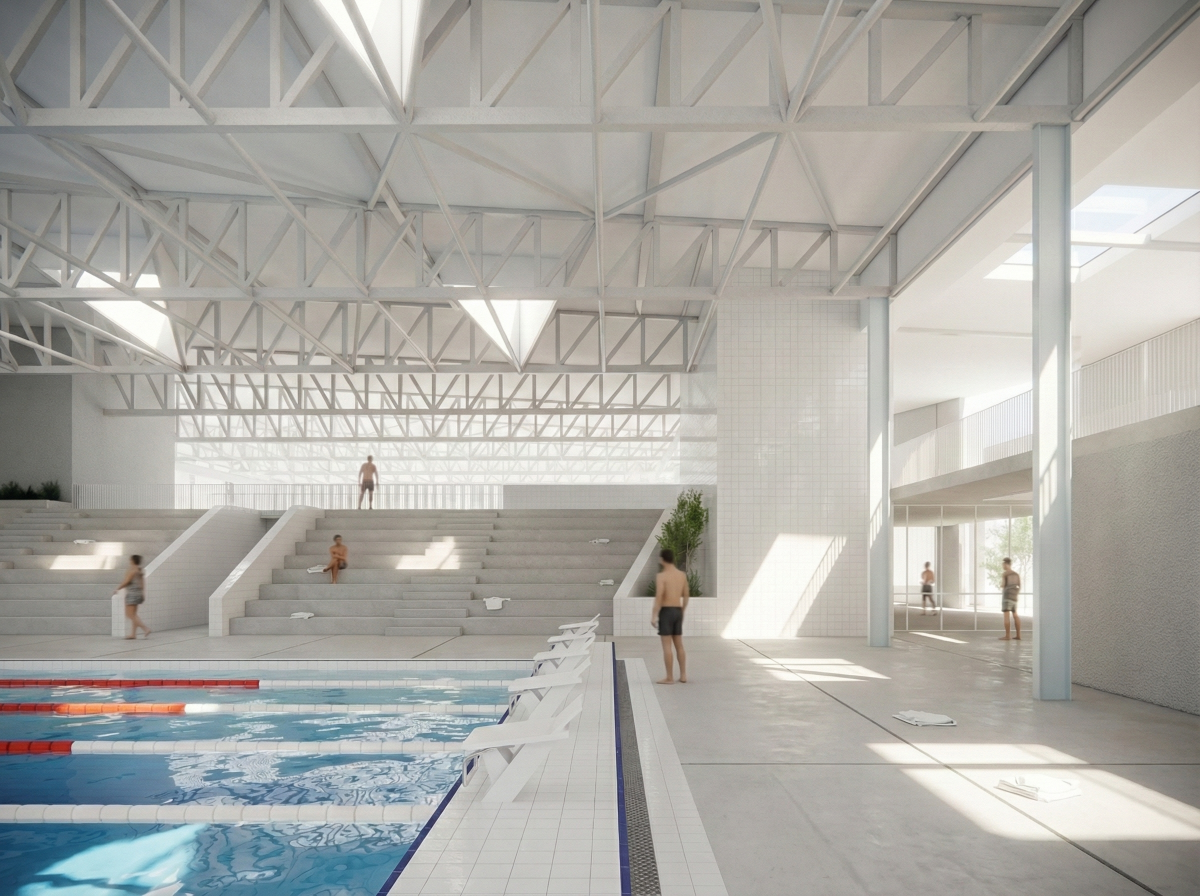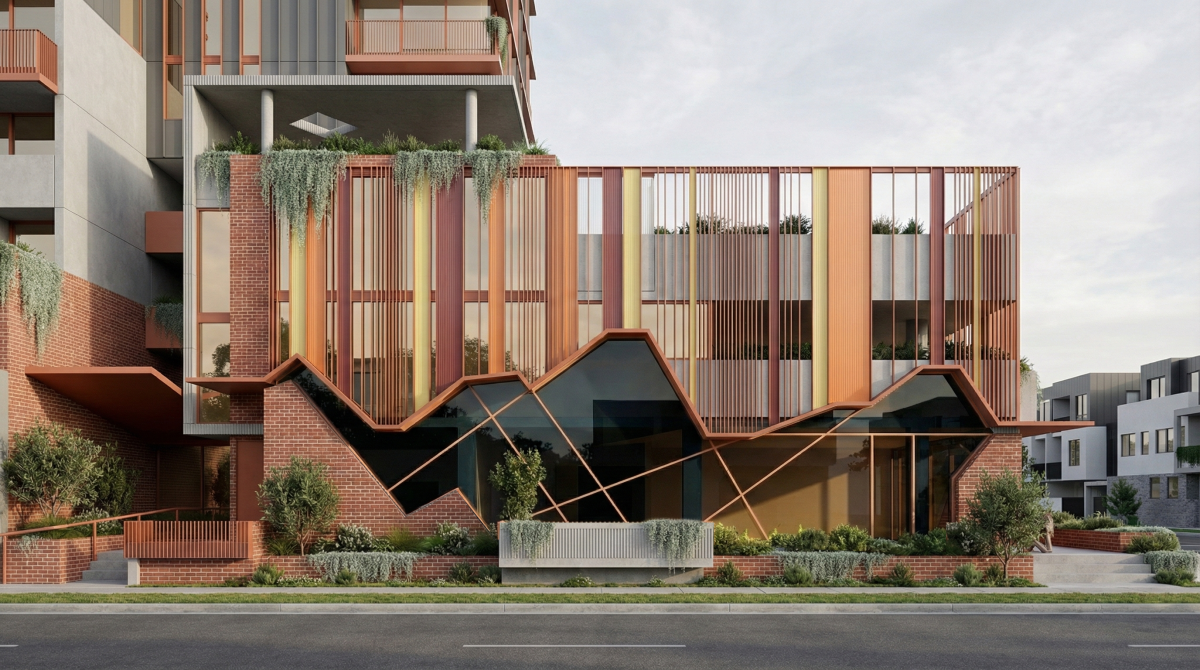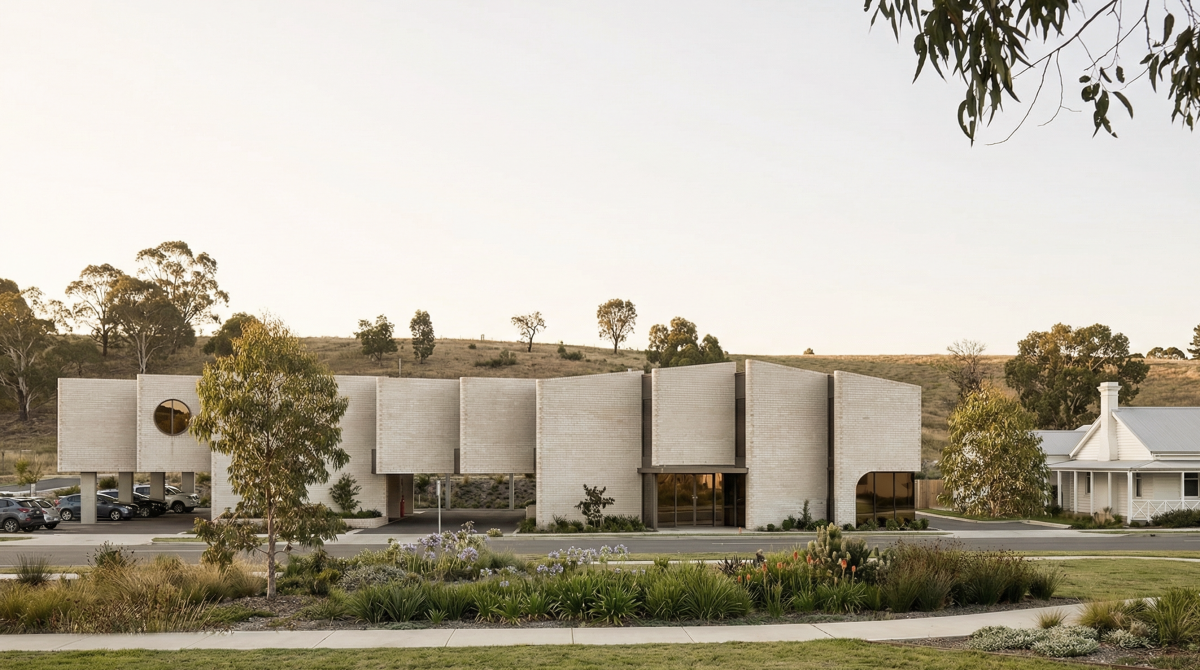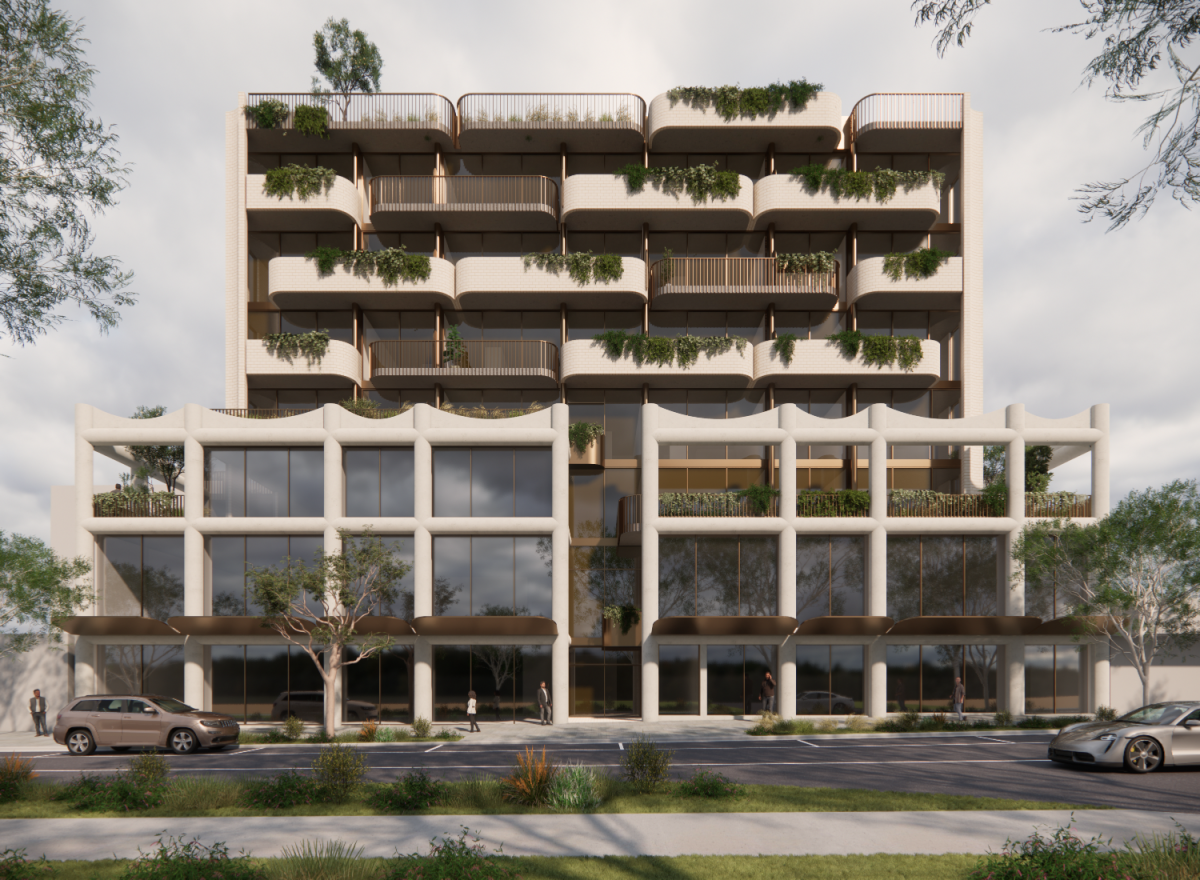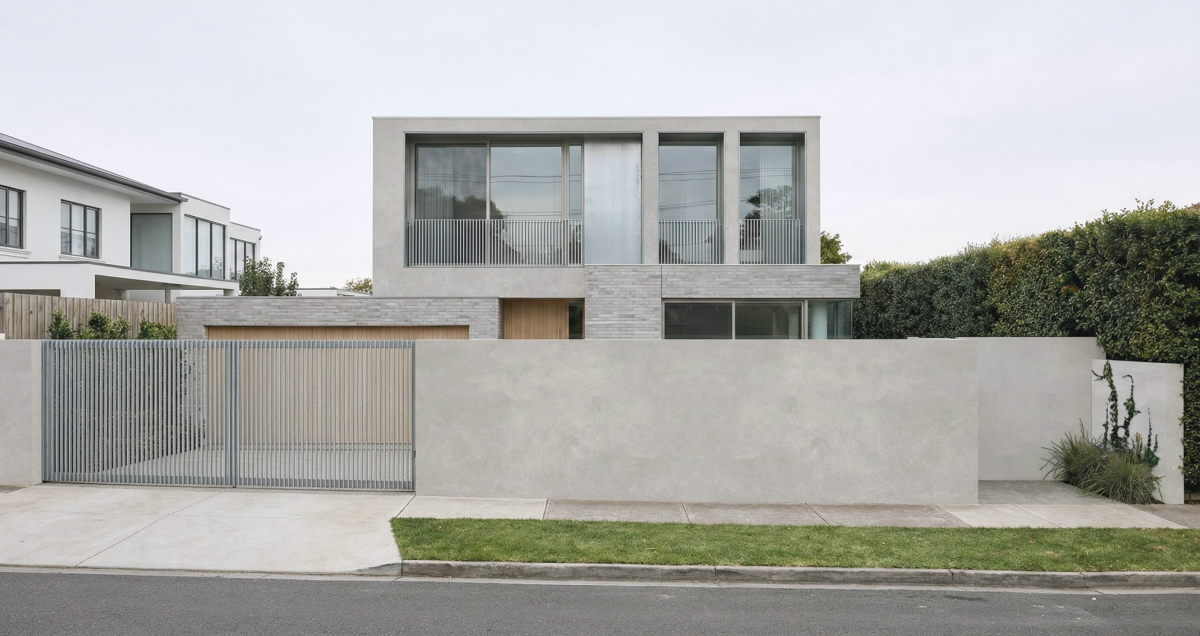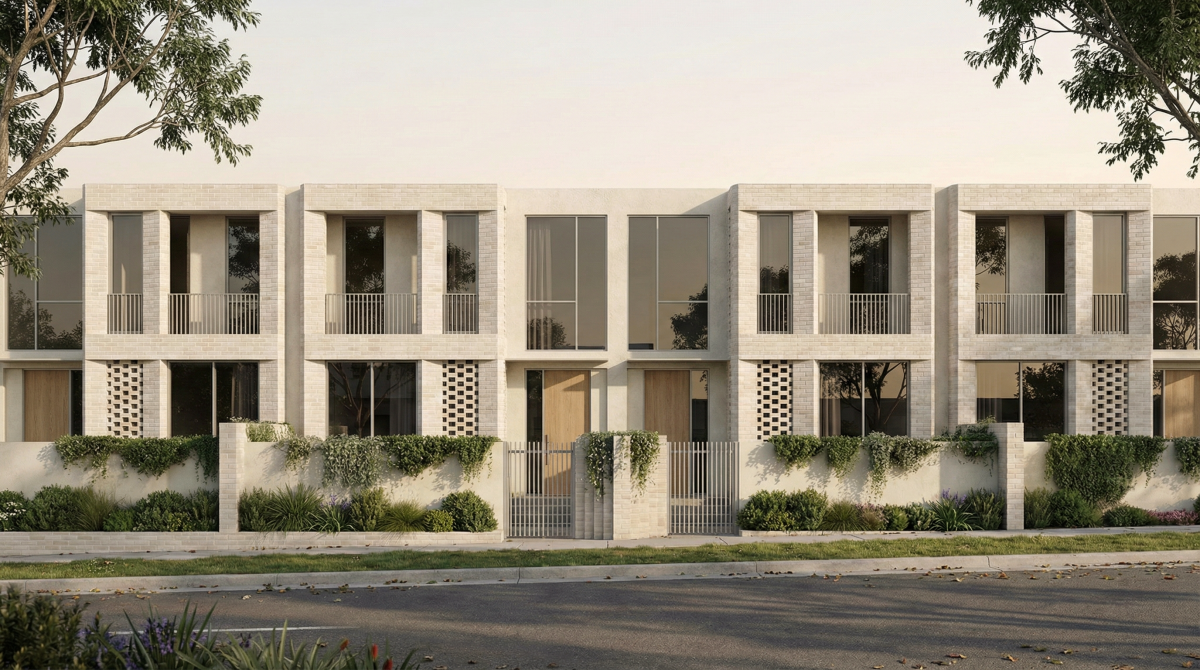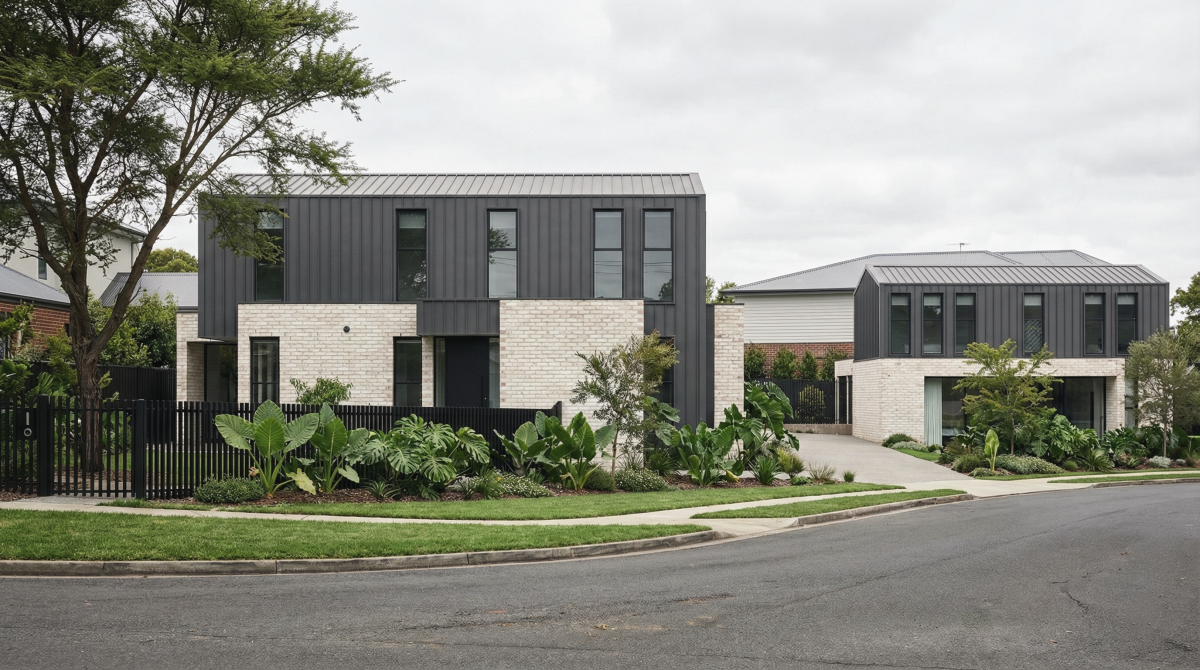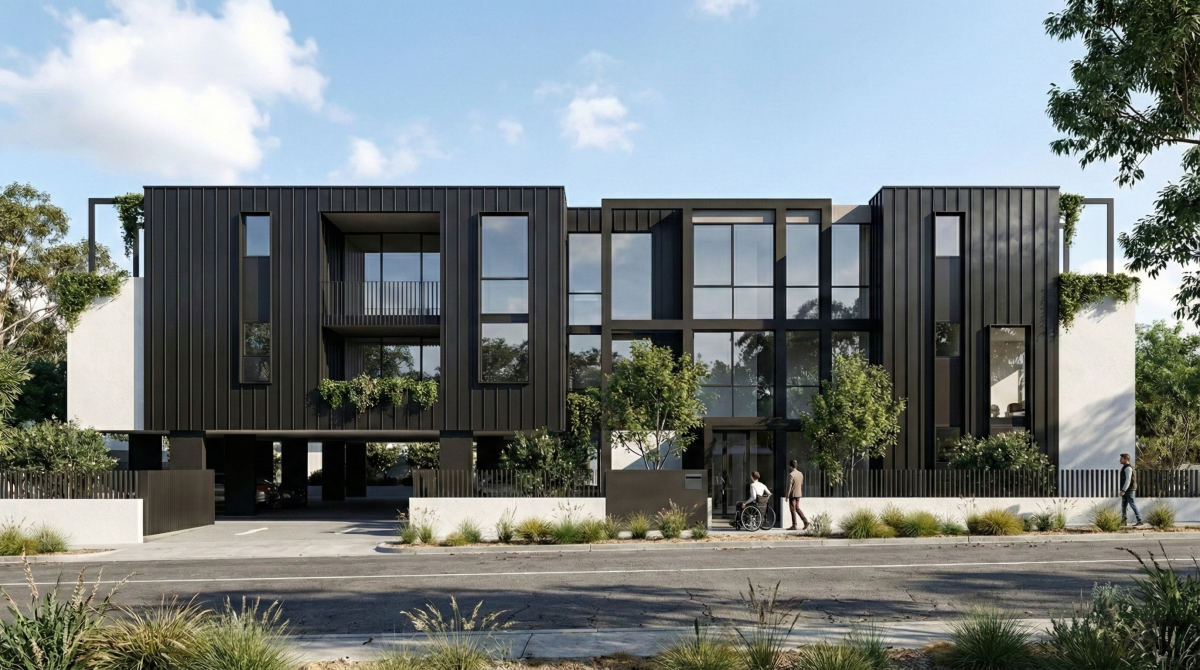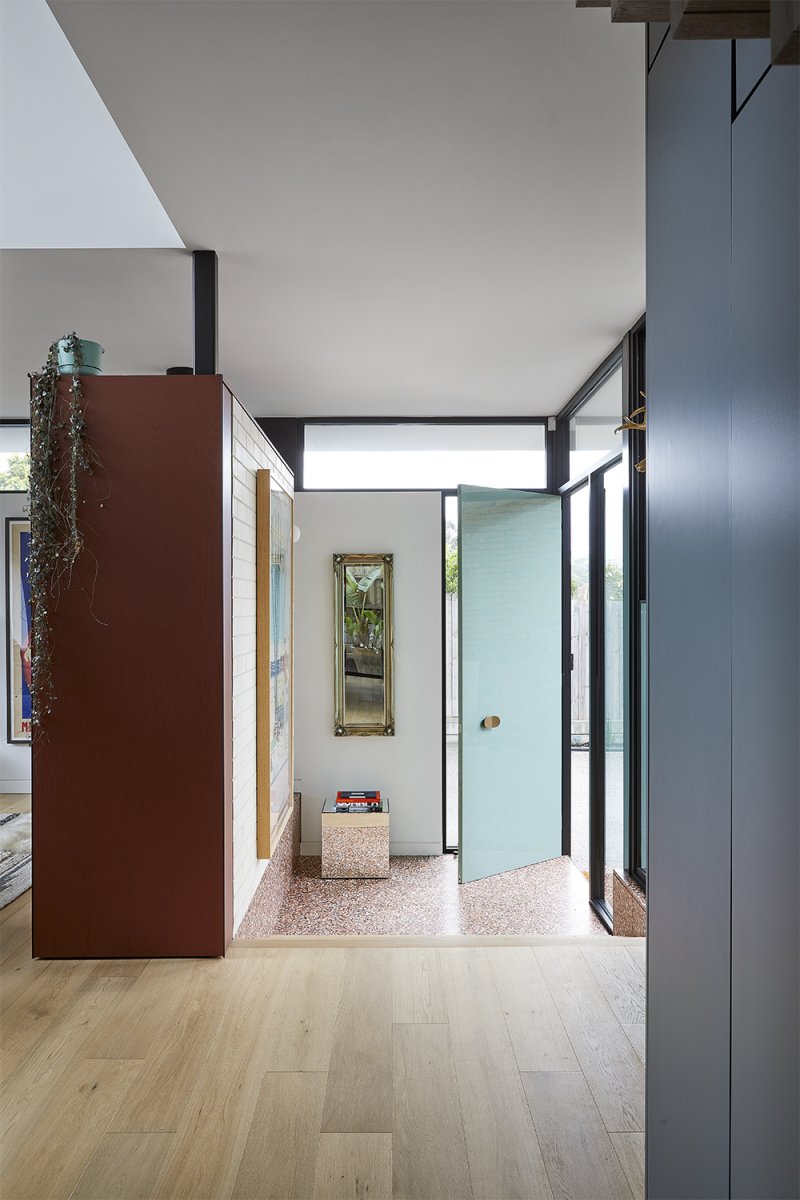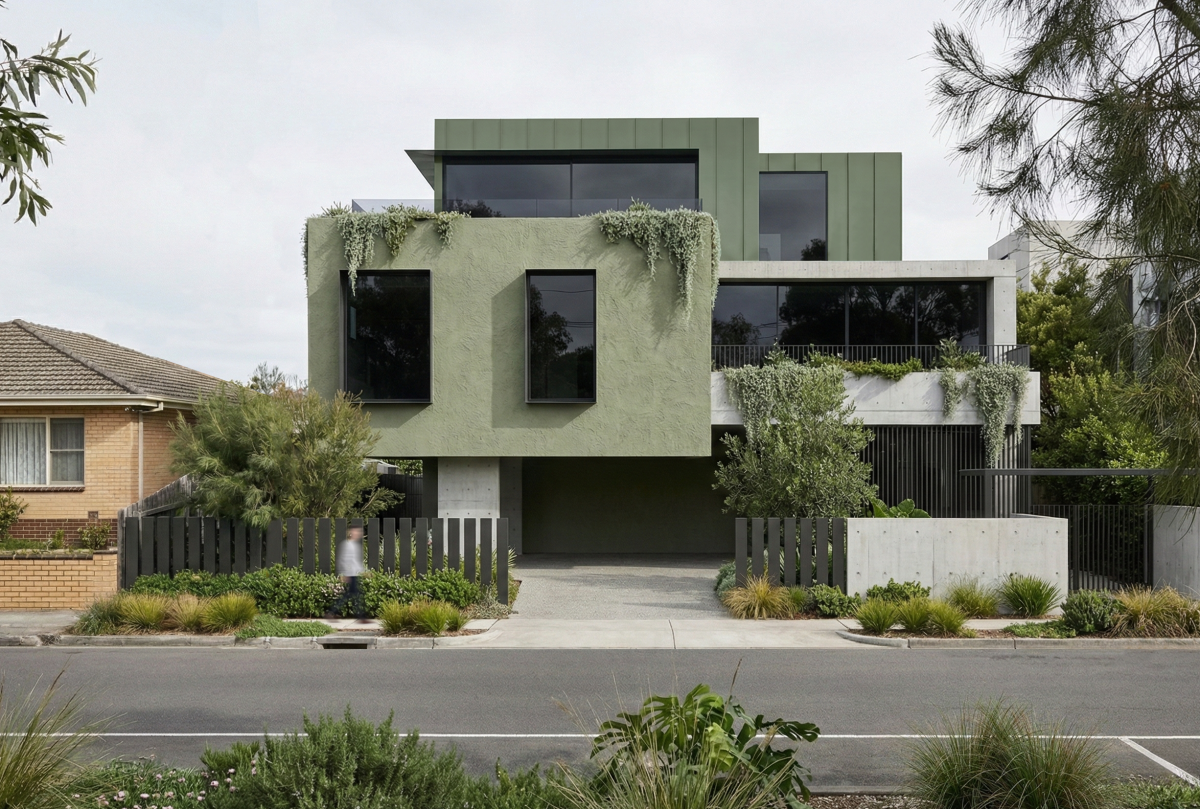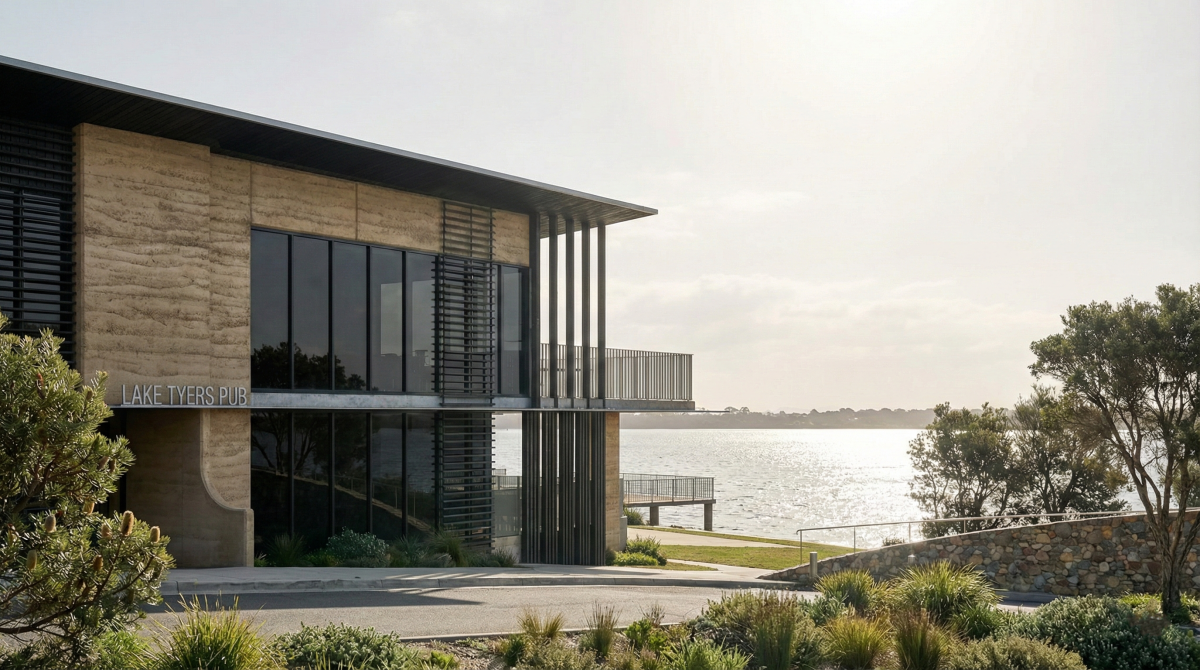
For something that we are in constant contact with for every second of our lives and have a mortal reliance on, air can be an often low-priority consideration in building design, so we thought we should ventilate some of the key ideas around ventilation.
While a significant portion of discourse around architecture is in regards to creativity, meaning and cultural impact, it is at its core fundamentally tied to the base, physiological level of Maslow’s hierarchy of needs in the provision of shelter. While maybe an obvious, if somewhat crass, simplification of an esteemed, high-brow art form, this need to provide protection from the elements is in fact an endlessing intriguing and constantly developing area of architectural inquiry.
Shelter is of course more than just stopping you from getting wet when it rains, our buildings create smaller, separate environments with their own climates specifically to keep us safe and comfortable. Accordingly, how a building’s architecture and external fabric controls air, its movement, temperature, humidity, oxygen, etc, is an essential influence on an individual occupant’s experience of a space. Now buildings of course can’t produce their own air so it all has to come from outside, hence the miraculous architectural technology of: doors and windows.
For as long as there have been buildings we have been controlling the ingress and egress of air into them with a vast array of different kinds of openings, coming in a fascinating variety of shapes, sizes, styles and modes of operation across every culture on earth. However a much more recent addition to the field of air control was the invention of air conditioning which has radically transformed how we manage the air in our internal environments and consequently, our architecture.
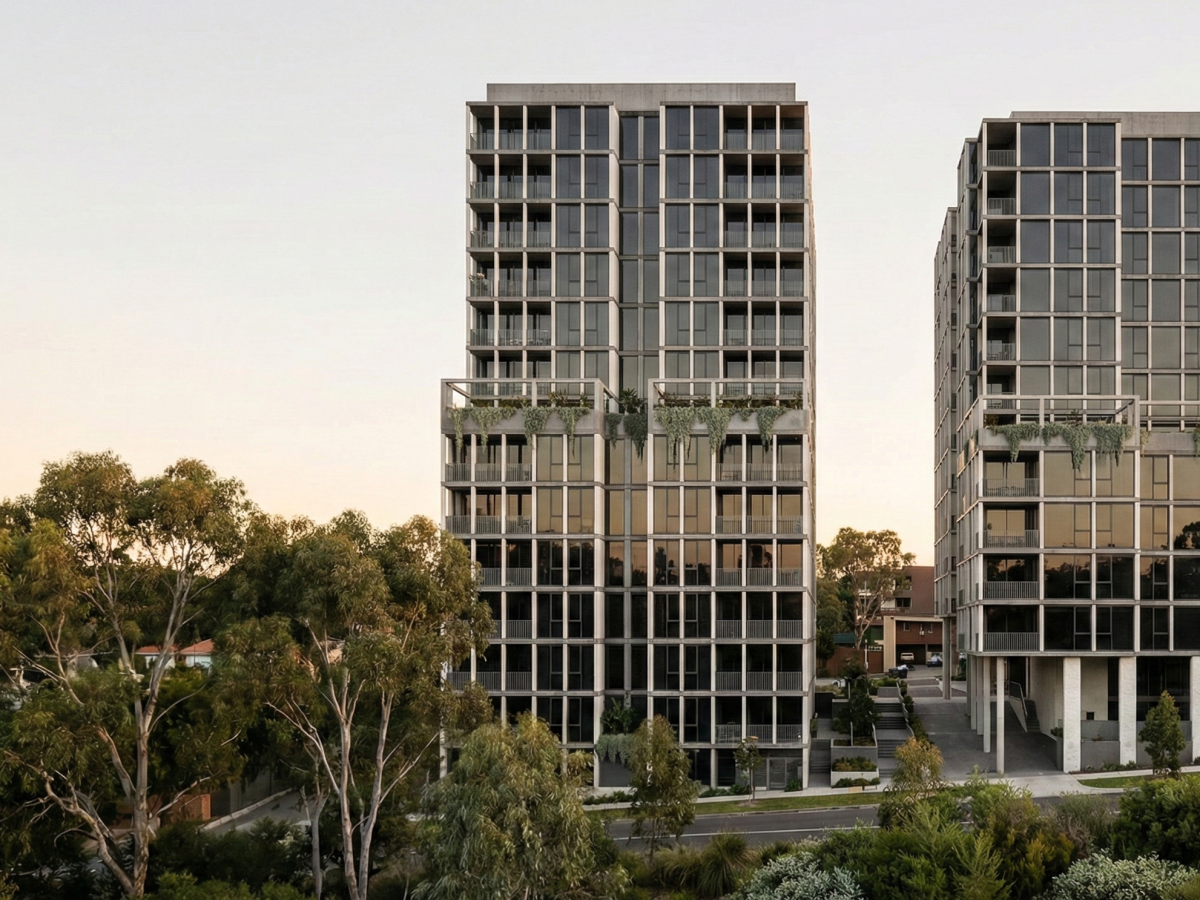
In the same way that skyscrapers wouldn’t exist without the invention of the elevator, their extensively glazed facades wouldn’t exist without air conditioning. Without it, these homogeneously glazed buildings become massive stacked greenhouses failing in their basic responsibility to create a comfortable environment to live and work. The incredible ease with which we can control internal air temperature with just some dials and buttons is a technological marvel that has become so ingrained into how we build that we have developed somewhat of a reliance on it and forgotten many of the old low-tech techniques. The big reason this issue has become more relevant now of course is the increasing interrogation of energy use due to the worsening climate crisis and recent inflationary jumps in energy costs.
As such there is a growing push to incorporate better allowance for passive, natural ventilation into our buildings with requirements being added to planning and building regulations in various forms.
The tried and tested method of cross-ventilation has a number of benefits beyond being zero-energy and free. As architects we are interested in the way that an occupant must have an awareness of their environment and what way they can interact with the architecture around them to control it. It engenders an intimacy with the building, the external environment and the body, akin to a kind of expanded mindfulness almost, that is far more engaging than just pushing a button on a remote. In many of the Australian cities and surrounds we live and work in we are fortunate to have mostly quite agreeable climates that for the most part we don’t want or need to be completely sealed off from. Important figures in Australian Architecture such a Glenn Murcutt, Richard LePastrier have long espoused these ideas as a way to engage with the land in active response to the environment, opening up and closing down a building likened to trimming the sails of a yacht.
There are a number of key considerations we have to keep in mind when designing for cross-ventilation with the two main ones being the big Os: orientation and openings.
Orientation
This is where the specifics of a site really come into play, prevailing breezes vary greatly by location with certain conditions even changing between different areas of the same city with factors such as topography and surrounding buildings having an effect. Prevailing breezes also vary by time of year, refer to this BOM page here to explore and see how they change from season to season. Due to this variability there is no one-size-fits-all approach that will work perfectly everywhere at any time so there is a significant level of adaptability to be considered to best catch particular breezes at particular times. The most important part of orientation is ensuring that there are openings on opposite or at least perpendicular side of a building with a clear internal path between, forming what is referred to as a ‘breeze path’. Under the framework of Built Environment Sustainability Scorecard (BESS), which is used by Victorian local governments to assess the sustainability credentials of proposals, this path needs to be at least 3m and max 15m long.
Openings
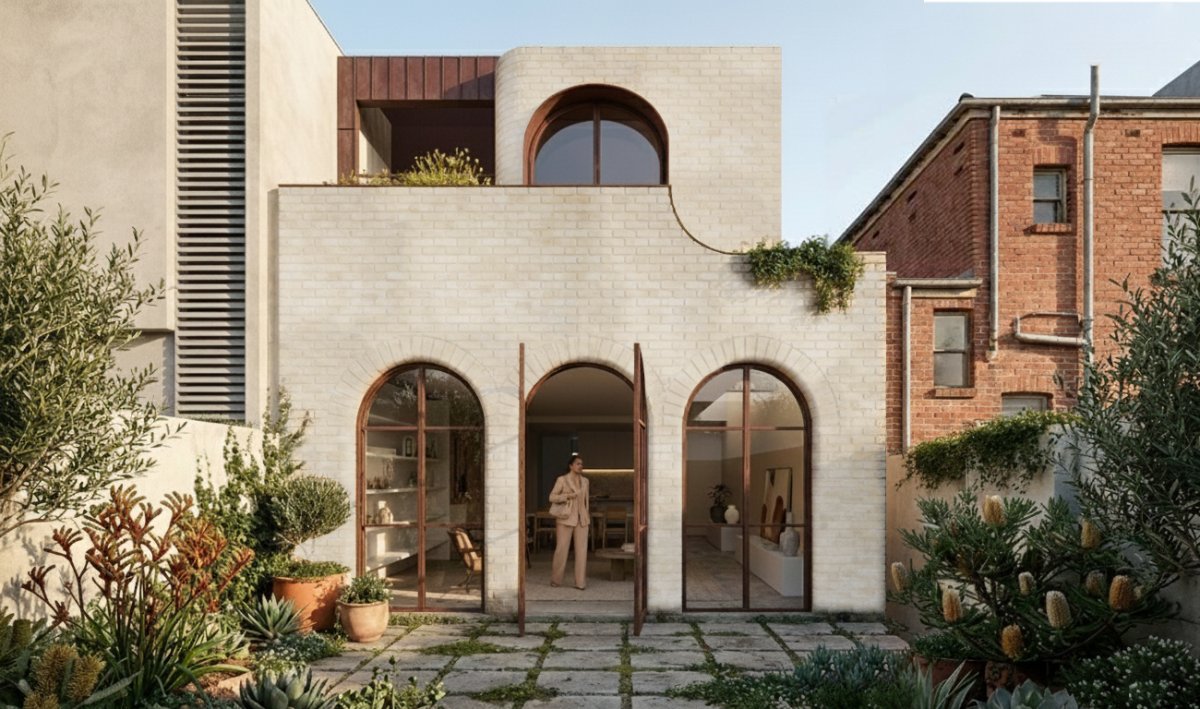
Once we have the locations of particular windows and doors configured, the selection of how they may be operated is the next consideration. It is best to aim for the opening size to be at least 5% of the floor area of the space but if that can’t quite be achieved you can still get decent results with less, something is better than nothing. It is also best to have the outlet opening be approximately the same size, if not a little bigger, than the inlet.The type of operability of the opening is important as well as obviously a tall multi-stacker patio door can let in a lot more air than a highlight awning however there are a number of other design considerations that come into play when selecting a window type. For example, some habitable rooms that are more than 2m above ground level will need to have restricted openings as a fall prevention measure which can greatly restrict the potential airflow as well. An awning window restricted to 125mm opening will only have a small percentage of overall glazed area open, whereas a louvred window can be close to 100%.

As with most areas of design, something which may seem pretty simple on the face of it can hide an interesting variety of surprising complexities underneath. As such it is always wise to talk to and engage an architect to make sure that even the most intuitive things, such as opening a window to let in a breeze, can be given the appropriate level of careful thought it deserves. Humans have been using buildings to control air for millenia and there is something much more satisfying about bringing some of the environment inside than just setting a temperature on your AC remote.
We’d love to connect! If you have any questions or exciting new projects in mind, reach out to us at studio@sgksarch.com or drop by our studio in Southbank.